Losing a tooth can affect your confidence, oral health, and quality of life. Whether the tooth was lost due to decay, gum disease, injury, or another dental condition, replacing it promptly is important to maintain your smile and protect your jawbone.
Dental implants are considered one of the most effective and long-lasting solutions for replacing missing teeth. They are designed to look, feel, and function like natural teeth while helping preserve the health of your jawbone and surrounding teeth.
If you're considering dental implants, understanding the treatment process can help you feel more confident about your decision. This guide explains each stage of the dental implant procedure, from your first consultation to your final restored smile.
What Is a Dental Implant?
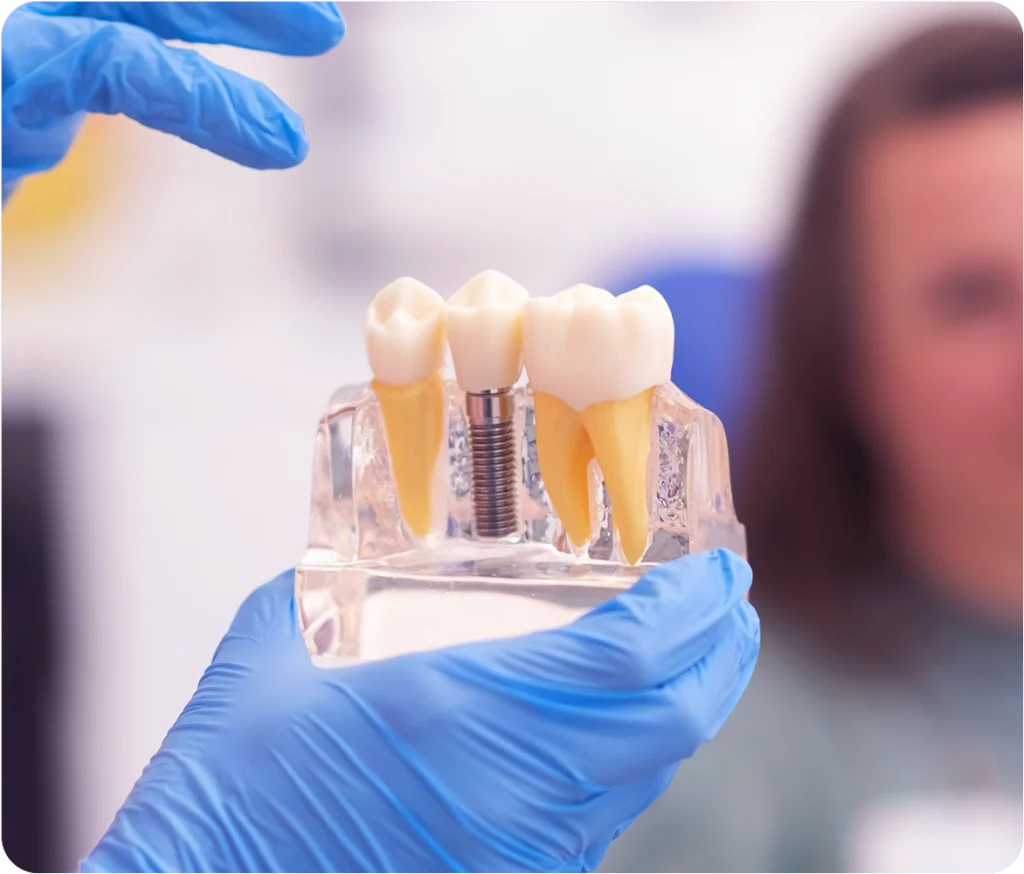
A dental implant is an artificial tooth root made from medical-grade titanium. It is surgically placed into the jawbone, where it naturally fuses with the bone through a process called osseointegration.
Once the implant has healed, it supports a custom-made dental crown that closely resembles a natural tooth in appearance and function.
A complete dental implant consists of three parts:
- Implant fixture (titanium post)
- Abutment (connector)
- Custom dental crown
Together, these components create a stable, durable, and aesthetically pleasing tooth replacement.
Step 1: Initial Consultation and Examination
Every successful implant treatment begins with a comprehensive dental evaluation.
During your consultation, your dentist will:
- Review your medical and dental history
- Examine your teeth and gums
- Evaluate your bite
- Assess bone density
- Discuss your treatment goals
- Explain available tooth replacement options
Digital X-rays and CBCT (Cone Beam CT) scans provide detailed images of your jawbone, allowing for precise implant planning.
Why This Step Is Important
Not every patient has the same oral condition. Personalized planning helps determine:
- Implant size
- Implant position
- Bone quality
- Need for additional procedures
- Expected treatment timeline
Careful planning significantly improves the long-term success of dental implants.
Step 2: Creating Your Personalized Treatment Plan
After reviewing your examination results, your dentist develops a customized treatment plan.
The plan includes:
- Number of implants required
- Implant locations
- Type of restoration
- Estimated healing period
- Overall treatment stages
If additional treatments are needed, they are scheduled before implant placement.
These may include:
- Tooth extraction
- Bone grafting
- Sinus lift procedure
- Periodontal treatment
Every treatment plan is tailored to your unique oral health needs.
Step 3: Tooth Extraction (If Necessary)
If a damaged or infected tooth is still present, it may need to be removed before implant placement.
Depending on your condition:
- The implant may be placed immediately after extraction.
- Healing may be recommended before proceeding with implant surgery.
Your dentist will determine which approach offers the best long-term outcome.
Step 4: Bone Grafting (When Needed)
Dental implants require adequate jawbone support.
If significant bone loss has occurred after tooth loss, bone grafting may be recommended.
Bone grafting helps:
- Increase bone volume
- Improve implant stability
- Enhance long-term success
- Restore facial structure
Healing times vary depending on the type and extent of the graft, but many patients become suitable candidates for implants after the bone has healed.
Step 5: Dental Implant Placement Surgery
Implant placement is a precise outpatient procedure performed under local anesthesia. Sedation options may also be available for patients with dental anxiety.
During the procedure:
- The gum tissue is gently opened.
- A small opening is created in the jawbone.
- The titanium implant is inserted.
- The gum is closed around or over the implant.
The procedure is generally well tolerated, and many patients report less discomfort than expected.
Most implant surgeries are completed within one to two hours, depending on the number of implants being placed.
Step 6: Healing and Osseointegration
Following surgery, the implant begins the most important stage of treatment—osseointegration.
During this process:
- Bone cells gradually grow around the implant.
- The implant becomes securely fused to the jawbone.
- A strong foundation is created for the replacement tooth.
Healing typically takes 3 to 6 months, although this can vary based on individual factors such as overall health, bone quality, and whether bone grafting was required.
During Healing
Patients are advised to:
- Maintain excellent oral hygiene
- Avoid smoking
- Follow dietary recommendations
- Attend scheduled follow-up visits
- Take prescribed medications if necessary
Proper healing is essential for long-term implant success.
Step 7: Abutment Placement
Once healing is complete, a small connector called the abutment is attached to the implant.
The abutment serves as the support structure for the final crown.
In some cases, the abutment may be placed during the initial implant surgery, while in others it is attached after osseointegration.
After placement, the surrounding gum tissue is allowed to heal for a short period.
Step 8: Taking Digital Impressions
To ensure the final restoration fits perfectly, your dentist takes precise digital impressions of your mouth.
These impressions help create a custom crown that matches your:
- Natural tooth color
- Shape
- Size
- Bite alignment
Modern digital technology improves both comfort and accuracy.
Step 9: Placing the Custom Dental Crown
Once your permanent crown is ready, it is securely attached to the implant.
Your dentist carefully checks:
- Bite alignment
- Crown appearance
- Comfort
- Function
Any necessary adjustments are made before completing the treatment.
The final result closely resembles a natural tooth and blends seamlessly with the rest of your smile.
Recovery After Dental Implant Surgery
Recovery varies from person to person, but most patients experience only mild discomfort.
Common temporary symptoms include:
- Minor swelling
- Mild soreness
- Slight bruising
- Tenderness around the implant site
These symptoms generally improve within a few days.
Tips for a Smooth Recovery
- Eat soft foods initially.
- Avoid chewing directly on the implant site.
- Brush gently around the area.
- Use any prescribed mouth rinse.
- Avoid smoking during healing.
- Attend follow-up appointments.
Following post-operative instructions supports proper healing and reduces the risk of complications.
How Long Does the Entire Process Take?
The total treatment time depends on individual needs.
Typical timeline:
- Consultation and planning: 1–2 weeks
- Tooth extraction (if required): Variable
- Bone graft healing (if needed): Several months
- Implant healing: 3–6 months
- Crown fabrication and placement: 2–3 weeks
Some patients may qualify for immediate implant procedures, while others require a staged approach for the best long-term results.
Benefits of Dental Implants
Dental implants offer several advantages over traditional tooth replacement options:
- Natural appearance
- Stable chewing function
- Improved speech
- Long-lasting durability
- Preservation of jawbone
- Protection of neighboring teeth
- Enhanced confidence
- Comfortable fit
- Easy daily maintenance
With proper care, dental implants can provide many years of reliable function.
Caring for Your Dental Implant
Maintaining good oral hygiene is essential for implant longevity.
Daily care includes:
- Brushing twice a day
- Flossing around the implant
- Using interdental brushes if recommended
- Regular professional cleanings
- Routine dental examinations
Healthy gums play an important role in supporting long-term implant success.
Frequently Asked Questions
Is dental implant surgery painful?
The procedure is performed under local anesthesia, making it comfortable for most patients. Mild soreness afterward is typically manageable with recommended medications.
How successful are dental implants?
Dental implants have a high long-term success rate when placed by experienced professionals and supported with good oral hygiene.
Can older adults receive dental implants?
Yes. Overall health and bone quality are generally more important than age when determining implant suitability.
Will my implant look natural?
Yes. Custom-made crowns are designed to blend with your existing teeth in color, shape, and size.
How long do dental implants last?
With proper care and regular dental visits, dental implants can remain functional for decades.
Restore Your Smile with Confidence
Dental implants are a predictable, durable, and natural-looking solution for replacing missing teeth. Understanding each stage of the treatment process helps patients feel prepared and confident as they begin their journey toward a healthier smile.
At Snö Clinics, every dental implant treatment begins with comprehensive planning, advanced digital imaging, and personalized care. From consultation to final restoration, the focus is on delivering comfortable treatment, long-term function, and natural-looking results that support your oral health for years to come.